
Decoy is a premium Japanese hook brand that has long been a few steps ahead of the game. For years, they’ve been known for producing terminal tackle that serious anglers trust, particularly when the margin for error is small. One of the best examples of that was their single hooks for big game trolling and casting lures. While many lures now come factory-fitted with singles and most hook brands offer a “plug hook”, there was a time not that long ago when Decoy were the benchmark. If you wanted a strong, reliable single hook conversion, Decoy was the default choice, and in many ways they still are.
Beyond hooks themselves, Decoy are also famous for their split rings. They are masters of working steel, producing terminal tackle that is strong, consistent and built for serious fishing. That reputation is well earned, and it’s why their move into a dedicated bait hook range was something I was genuinely excited about.
Why hooks matter
At Hooked Up, we’re serious about hooks, and for good reason. Hooks are what actually catch fish. Baits and lures attract fish and trigger strikes, but hooks are what convert those opportunities into fish on the deck. You can have the freshest bait or the best lure on the market, but without a quality hook, it’s all largely pointless.
Hooks don’t get the attention they deserve from the majority of anglers. There’s an old saying that 90 percent of anglers catch 10 percent of the fish, while 10 percent catch 90 percent, and one of the key differences is attention to detail. That top end of anglers place real emphasis on hooks, rigging and presentation, and it’s not by accident that their results reflect that.
Octopus hooks and snapper fishing
When it comes to targeting snapper, hook choice is critical. In Port Phillip Bay, octopus hooks are the standard for most bait fishing applications, while circle hooks tend to dominate in Western Port due to current, bite style and fishing methods. The octopus hook has remained popular for good reason. It offers excellent hook exposure, works well with a wide range of baits and allows anglers to both let fish hook themselves or strike when needed.
So when Bluefish Imports, the new Australian distributor for Decoy, showcased their new bait hook range at AFTA 2025, the Octopus hooks immediately caught my attention. As someone who has trusted Decoy hooks for years, I was keen to see how they would approach a style of hook that is already well established and highly competitive.

First impressions and design
When the hooks arrived midway through snapper season, the first thing that stood out was that Decoy hadn’t simply produced a generic octopus hook and put their name on it. While there are limitations to how much you can reinvent an octopus hook, they’ve made several smart design choices that genuinely matter on the water.
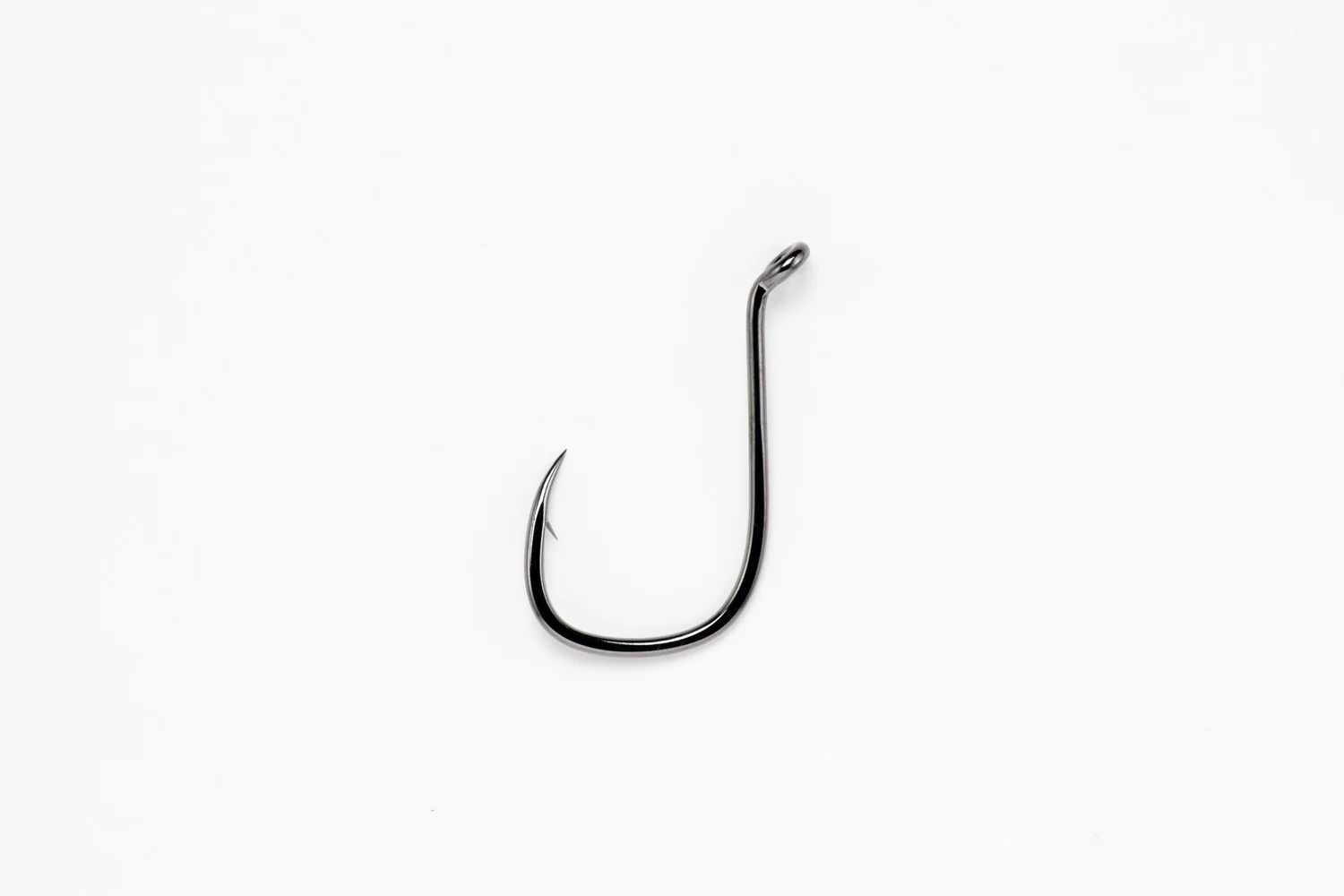
The most noticeable feature is the gape. It has a wide, rounded shape that allows anglers to fish large baits such as squid heads, whole silver whiting, salmon tails or chunky fillets while still retaining excellent hook exposure. This is critical when fishing bigger baits, as narrow gapes often end up buried in the bait, reducing hook-up rates.

The hooks feature a moderate offset, which further improves hook exposure and increases the likelihood of solid hook sets. The hook point itself is long, sharp and aggressive, and combined with the chemically sharpened finish, penetration is excellent. An offset eye makes snelling easy and secure, allowing rigs to lock in neatly without twisting or rolling.
The wire is a medium gauge, which I believe is spot on for snapper fishing in Port Phillip. It offers the right balance between strength and finesse, particularly for the lower drag pressures most anglers fish in the bay. While I didn’t test them under extreme drag settings, I have no doubts they would comfortably handle heavier gear. The wide gape and overall shape suggest it would take serious pressure to open these hooks.
A black nickel finish rounds out the package, offering corrosion resistance and a clean, non-reflective appearance.
On-water testing
I rigged all my snapper rods with the new Decoy Octopus hooks in 6/0 and 7/0 sizes. It’s worth noting that hook sizing varies significantly between brands. You can line up eight different 6/0 octopus hooks and they’ll all measure slightly differently. Compared to the broader market, I’d say the Decoy sizing runs a little on the smaller side. If you usually fish a 6/0, stepping up to a 7/0 would be a sensible move.
Across five snapper sessions, the hooks performed exceptionally well. Many fish hooked themselves cleanly in the rod racks, while others were hooked when striking on runs in free spool or during finicky bites. I tested them across both softer, slower action rods and faster action rods, and hook-up rates were consistently strong.
I don’t recall missing or dropping a fish while using them, which I say with some humility rather than bravado. Interestingly, the only missed fish I remember came on a rod that wasn’t rigged with Decoy hooks, which may be coincidence, but it certainly stood out.
Sizes and packaging
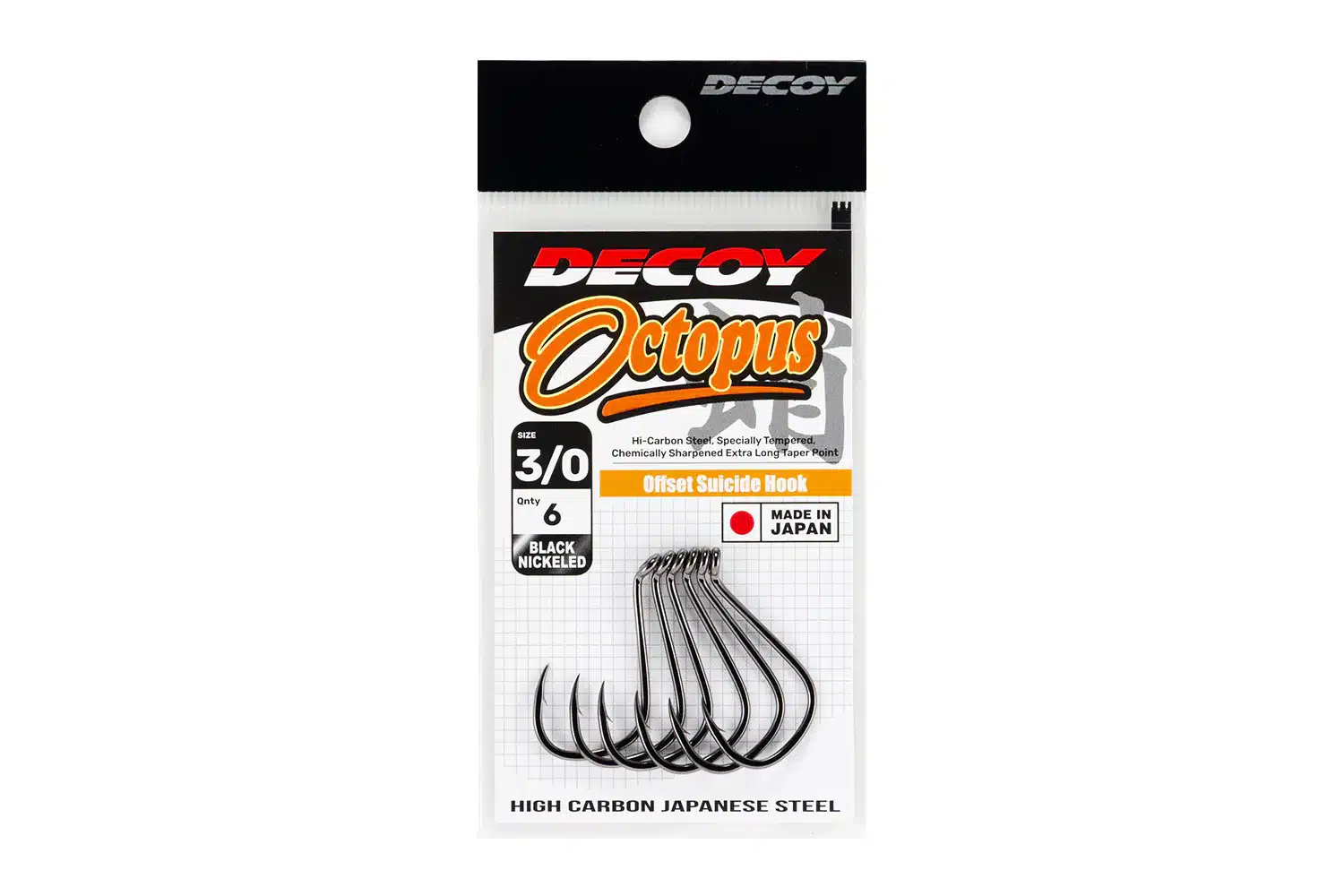
The Decoy Octopus hooks are available in sizes from 4, 2, 1 and 1/0 right through to 7/0, covering the vast majority of bait fishing applications. They’re sold in value packs of 16 as well as smaller packs of 6. One detail I really appreciate is that the packs contain even numbers of hooks, which makes life easier when tying snelled twin-hook rigs.

Final thoughts
Decoy have taken their time entering the bait hook market, and it shows. Rather than producing a generic octopus hook, they’ve delivered a refined, well-thought-out design that suits how anglers actually fish for snapper. The wide gape, strong yet balanced wire, excellent hook point and smart finishing details all contribute to a hook that inspires confidence.
After extensive testing, I’ll continue to use them and happily recommend them to other anglers. Like most Decoy products, they aren’t built to be the cheapest option on the rack, but when it comes to hooks, cutting corners rarely pays off.


